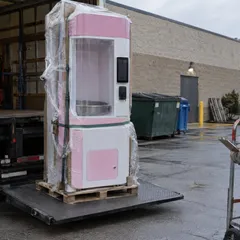
Cost to start a cotton candy vending business: the line-by-line budget
The robot is most of the bill; the permit, the insurance, the delivery and a cash reserve decide when you can actually open.

Where cotton candy machines earn their keep.

Desk
The money and the upkeep: earnings math, pricing, revenue share, permits, humidity, service schedules, the pitch.
The Operations Desk covers what happens after the machine is placed: what it earns, what to charge, what the venue takes, which permits apply, how climate affects the spin, and how often to service it. When we run the numbers, we show the assumptions so you can swap in your own.
Every article the desk publishes follows our editorial standards: every figure sourced, every data set labeled with where it comes from and when, a review date at the end and a public corrections process.
The robot is most of the bill; the permit, the insurance, the delivery and a cash reserve decide when you can actually open.
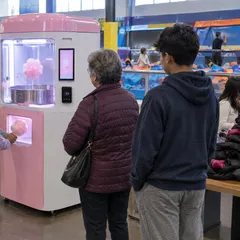
Online estimates run from $500 to $15,000 a month, and most stop before the venue is paid; here is what the operator keeps after every share and fee.
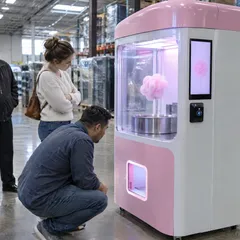
The machine is the same everywhere; the venue’s foot traffic decides whether it pays for itself in months or in years.

Venues ask a cotton candy operator for a bigger slice than a snack vendor usually pays, and the base under the percentage matters more than the number.
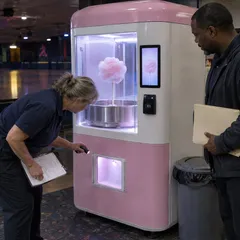
A machine that spins sugar on the spot falls outside the packaged-snack exemptions many vending rules lean on, and the states do not agree on what follows.
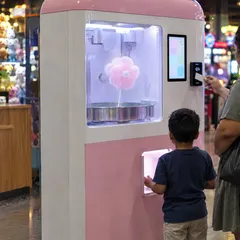
Every extra dollar on the screen is split with the venue and the card network before you keep 54 cents of it, and that math favors a higher price.
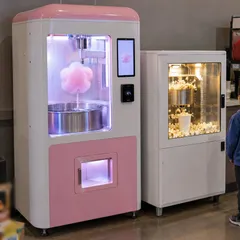
Popcorn costs less to buy, cotton candy keeps more per sale, and the ICEE name now sits on both a slush dispenser and a cotton candy robot.
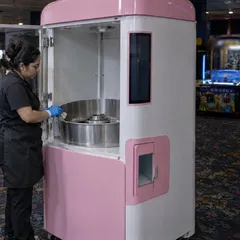
The sugar canister does not set your service schedule; cleaning does, and that cadence decides how far from home a machine can sensibly live.
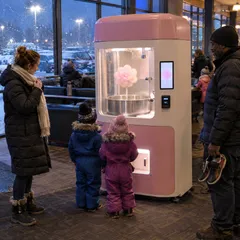
Summer is not cotton candy season everywhere: federal payroll data shows which venues swell in July, which go quiet, and what a slow month does to your take.
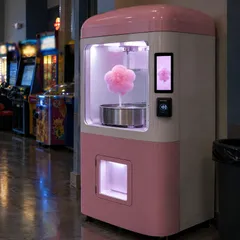
Spun sugar starts losing its shape at the humidity of an ordinary room, so the question is not whether moisture matters but how fast it wins.

A robotic cotton candy vending machine pitch built around what a venue manager has to approve: the spin show, the share of sales, the floor space, the outlet and the sugar.